ReadAr
Bringing books to life
On average, people from the age of 15-34 spend 17 minutes reading books daily, while hours are spent watching TV, playing games, and browsing the Internet. They prefer and find it easier to consume visual contents.
Among many reasons to find visual contents more digestible, there is a condition called aphantasia, which prevents the forming of mental images. Aphants can find descriptive texts difficult and boring, limiting the books they enjoy.
Duration
11 weeks
Role
Competitive Analysis, User Research & Journey, Visual Design (Illustration, Motion, UI)
Programs Used
Figma, Aero, After Effects, Procreate
01- Research Process
Opportunity
People are spending more time consuming visual media than reading for pleasure. How can the preference for visual media be leveraged to make leisure reading more enjoyable?
Market Research
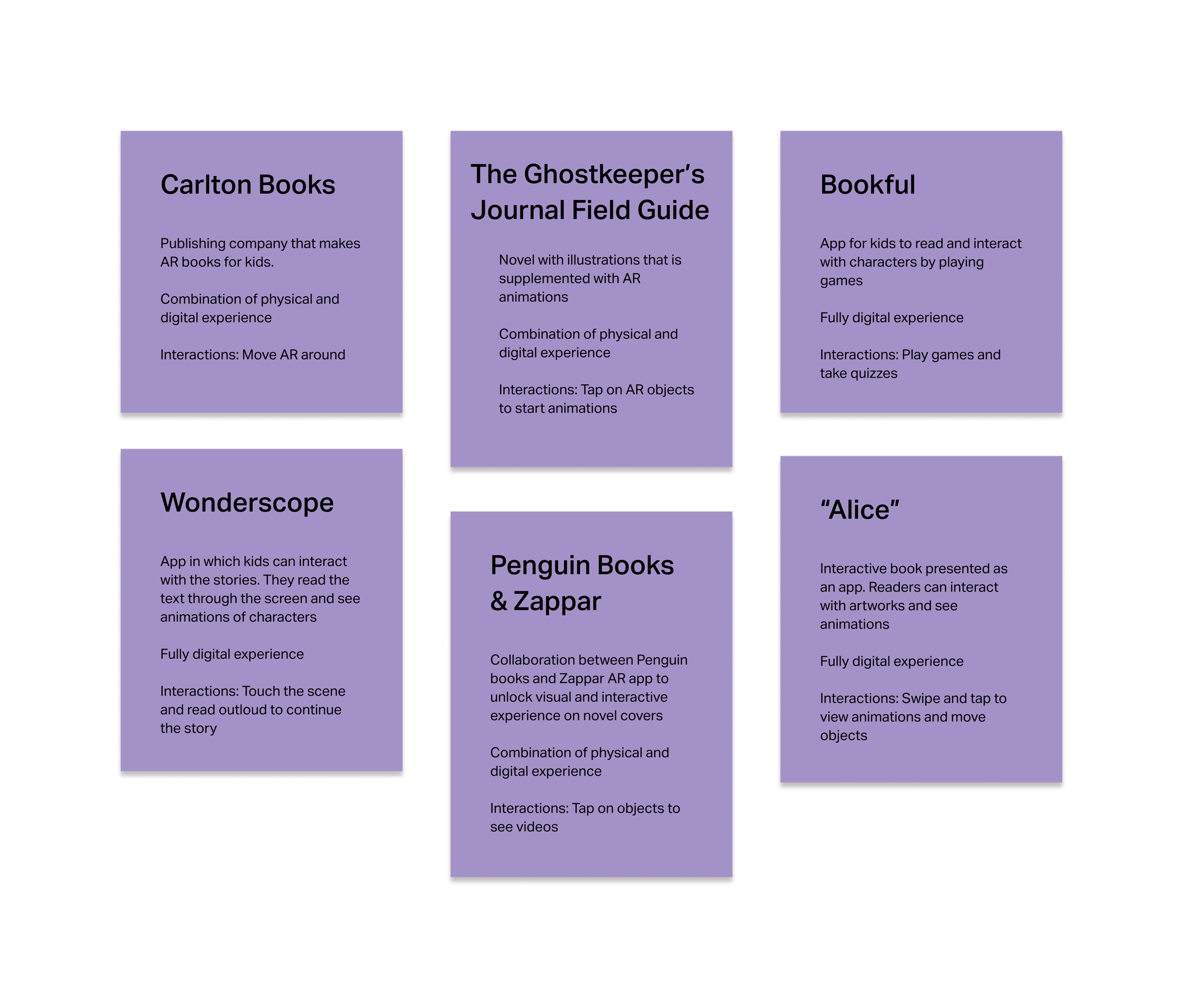
I researched how others have tackled visualizing literature. I found that the books that provide digital reading experiences use AR to offer visual guides and an exciting way to read. While there are numerous books and atlases for children and graphic novels that come with AR experiences, this technology was only utilized to enhance books that already had visual elements, such as illustrations and photographs. So, how can I create an AR reading experience for regular novels?
Persona I
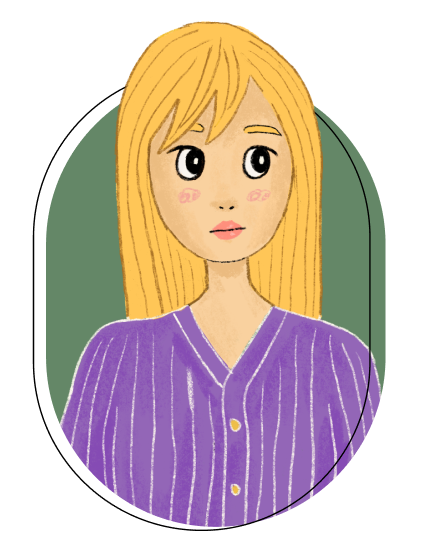
Meet Astrid
Astrid is a 19-year-old sophomore in college. She was an avid reader of fictional books and read to temporarily escape from her daily tasks. Because of her classes now, she doesn’t have the time to read, but when she does, she is too tired to enjoy one of her favorite leisure activities.
Frustrations
Feels that it’s too tiring even to imagine when she reads. Reading feels boring and unengaging.
Wants & Needs
Wants reading to be fun and engaging again
Persona II
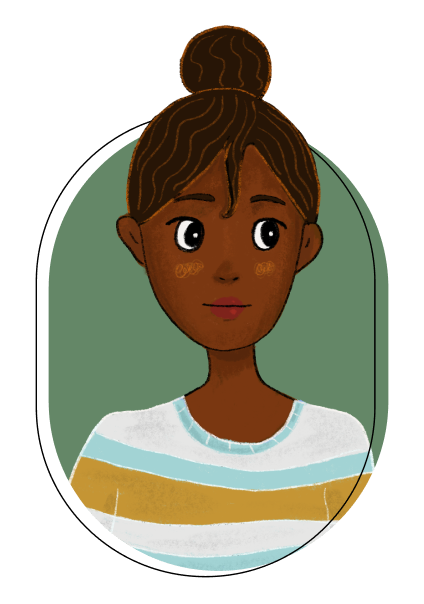
Meet Emily
Emily is a 27-year-old who has recently figured out that she has aphantasia. When she reads in her free time, her top choices are fantasy novels. However, she sometimes finds them boring because of their descriptive nature.
Frustrations
Finds reading to be hard and boring because it’s harder to read descriptive scenes
Skims over descriptive scenes, so she feels like she is missing out on the book
Wants & Needs
Wants a way to visualize
Wants to read books and enjoy them in their totality
02- Design Concept
ReadAr
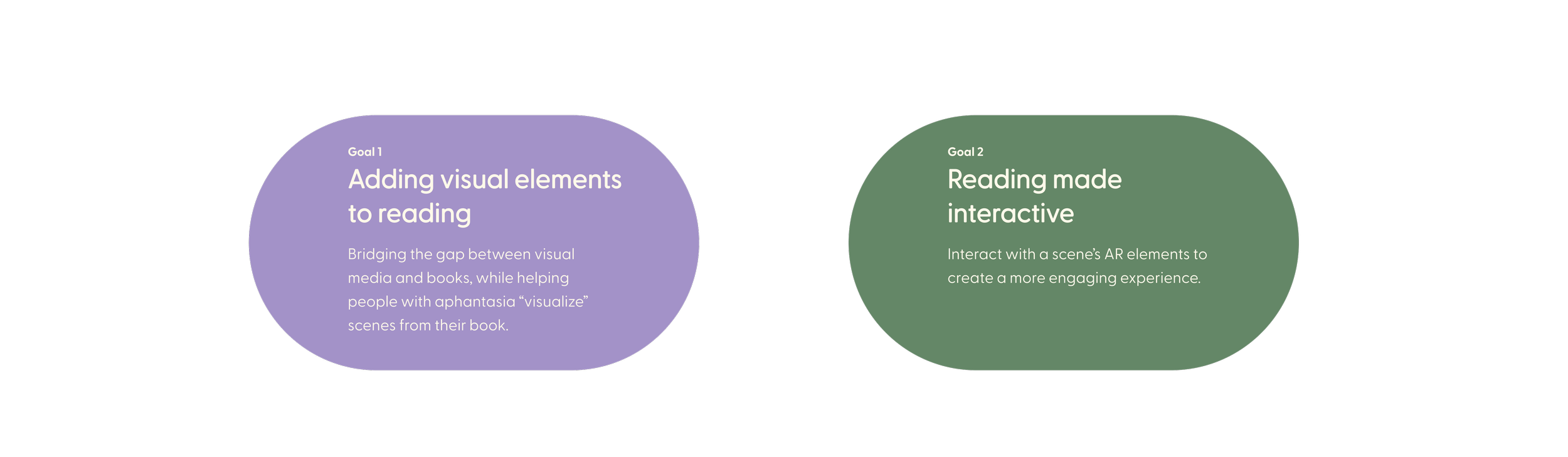
ReadAr is an AR reading experience that visually brings text to life, encouraging the younger generations to read more for leisure.
Why AR?
People prefer physical books, so the experience should be a combination of a physical book and digital elements
AR allows for interaction and engagement
User Journey
-

Awareness
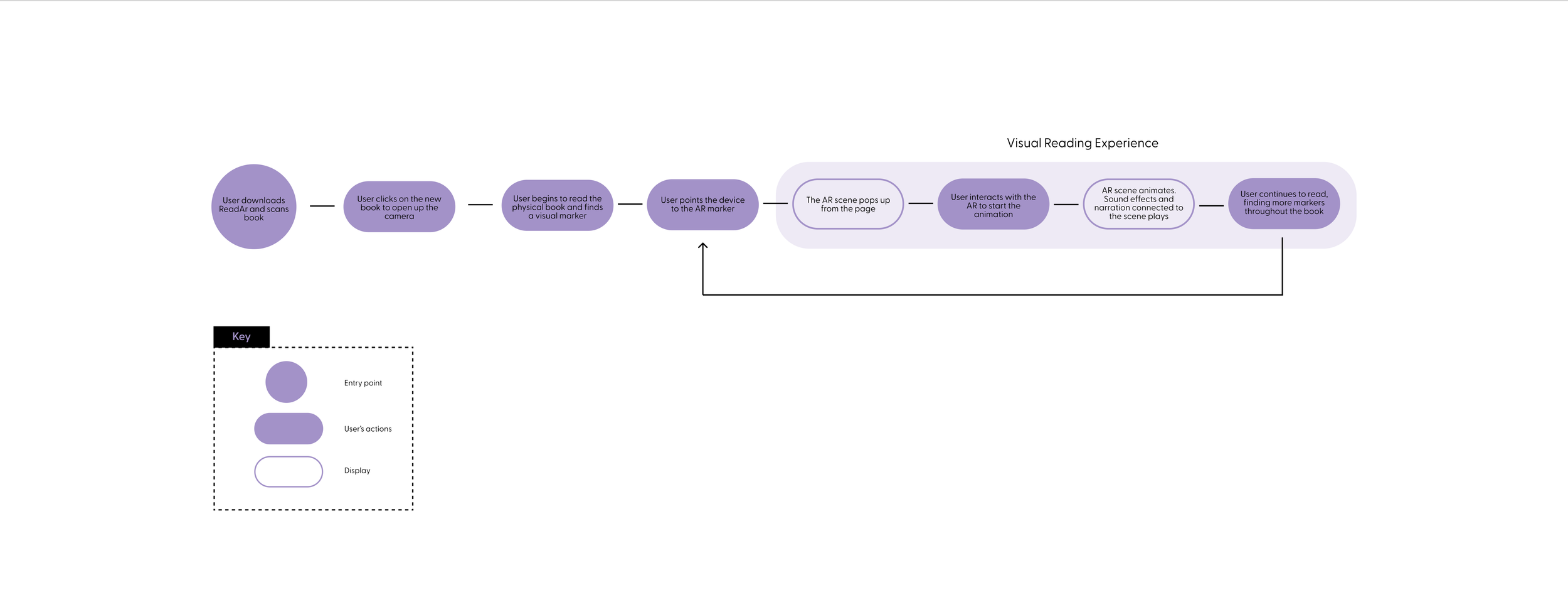
Astrid goes to bookstore and sees a new section of novels with AR experiences. She purchases a novel and downloads the ReadAr app.
-

Discovery
She begins to read and finds an AR marker.
-

Experience
Astrid takes out device and scans the marker. She sees, touches, and hears the AR scene.
-

Motivation
She continues to read and interacts with more AR experiences. Astrid is motivated to read again.
User Flow
03- Design
Proof of Concept
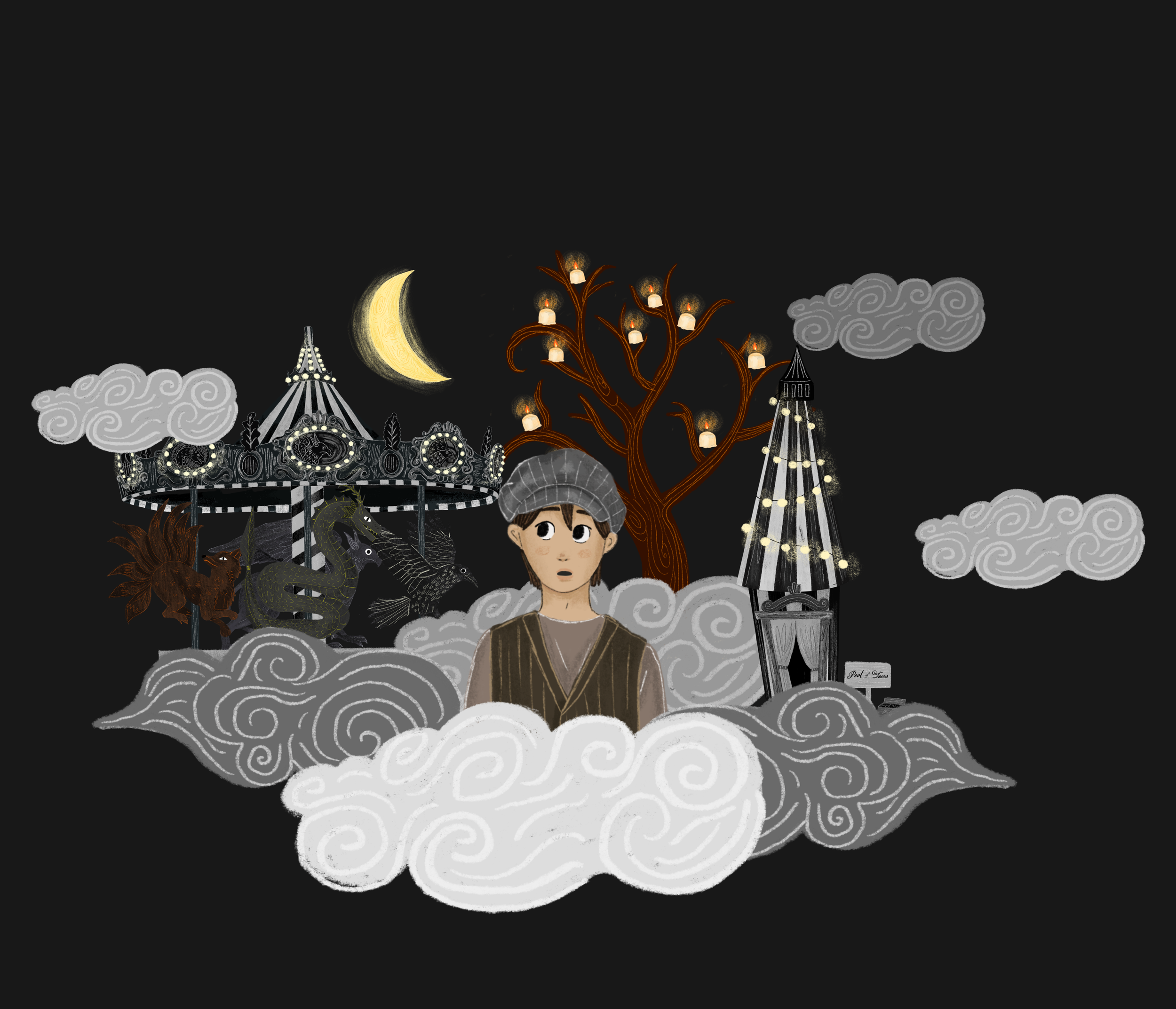
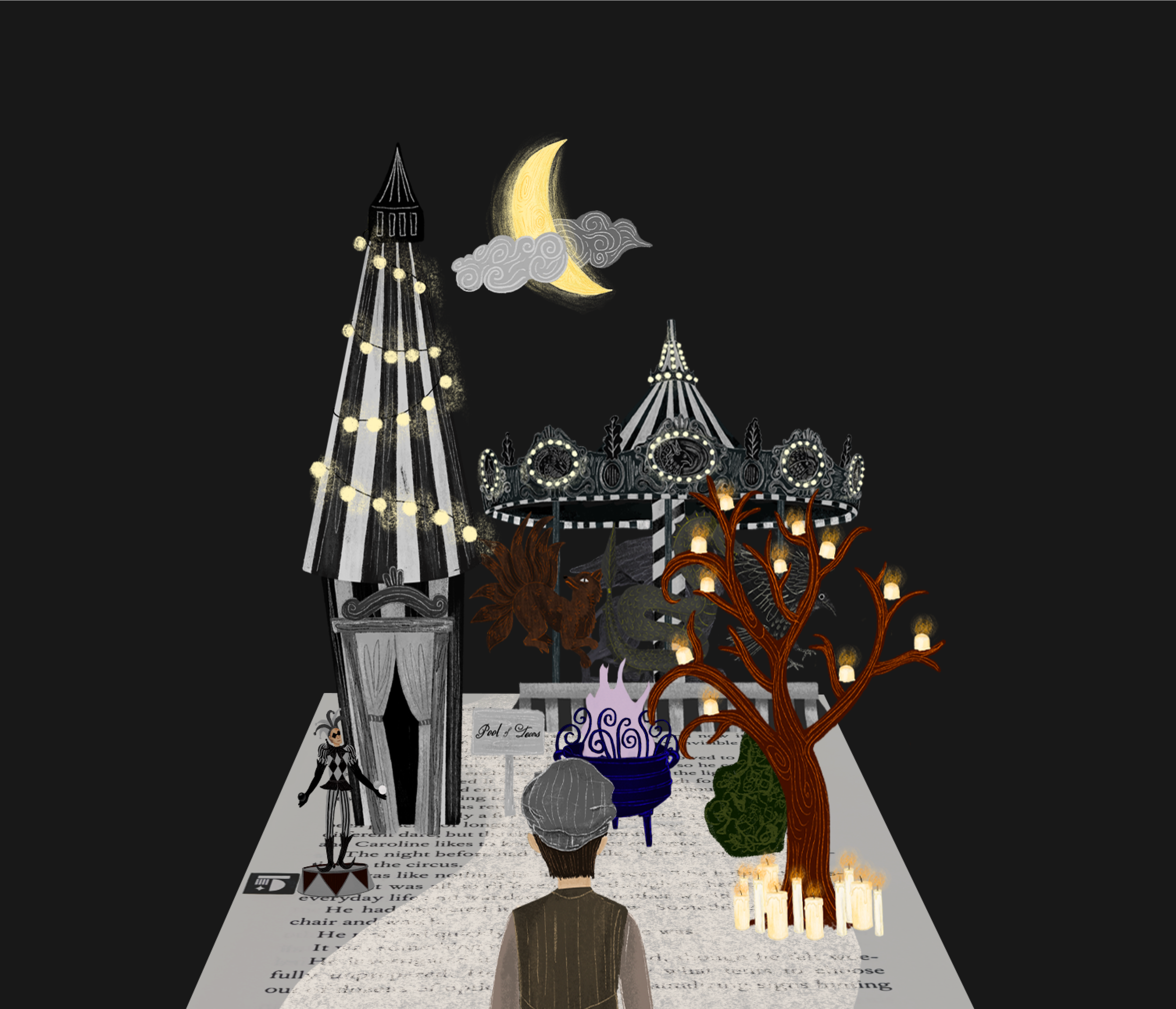
Readar’s first AR experience is dedicated to Erin Morgenstern’s The Night Circus, a popular young adult/adult fantasy novel that is filled with visually rich and exciting scenes.
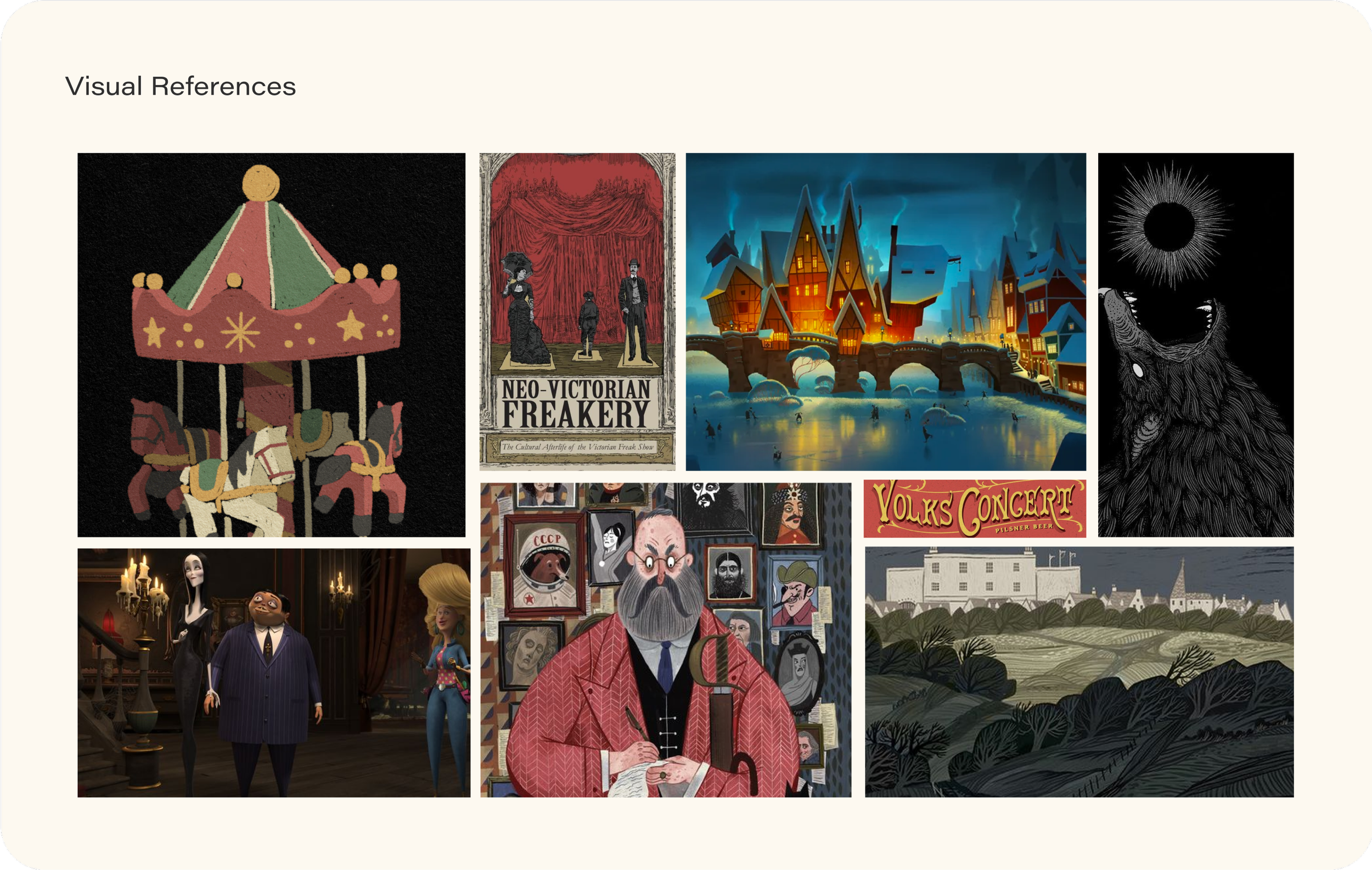
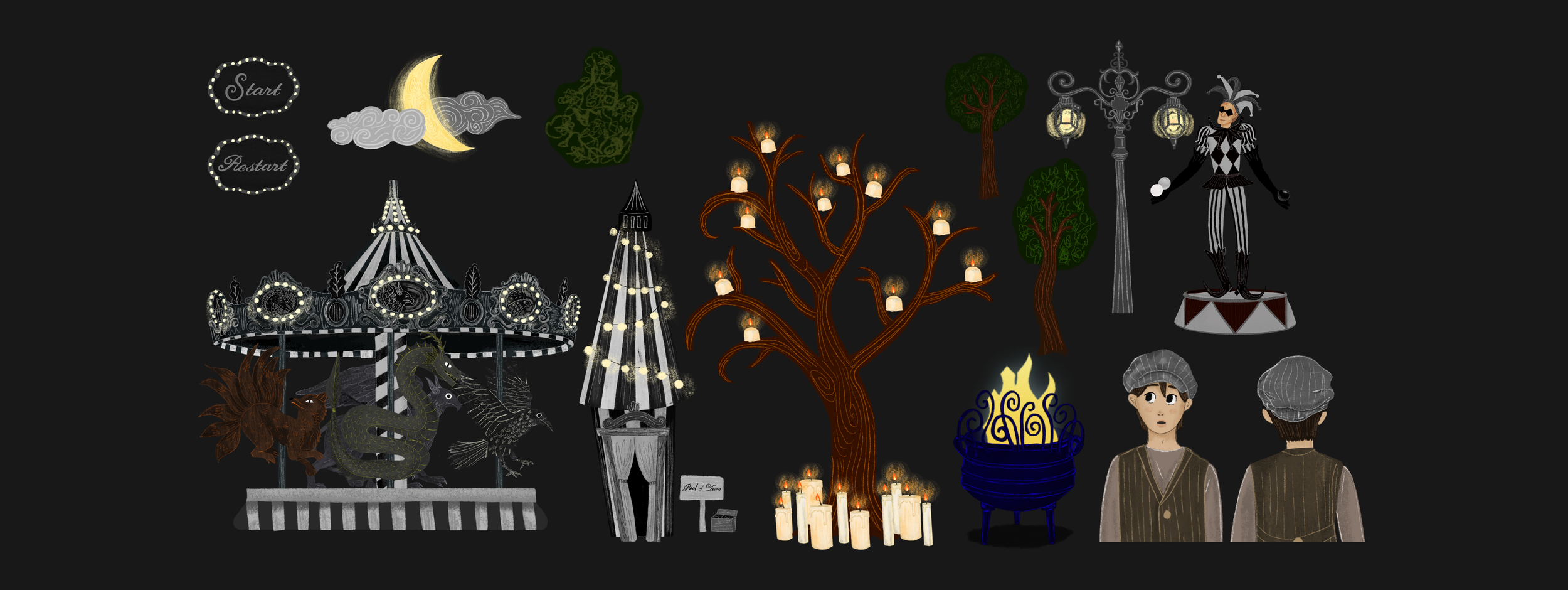
The book takes place during the Victorian London era, and the primary colors in the circus are black, white, and gray. Some keywords for the illustration style include whimsical, dark gothic, beguiling, and dramatic.
Each novel with a Readar experience will have their own illustration style to imagine the scenes.
Illustration

Initial sketch
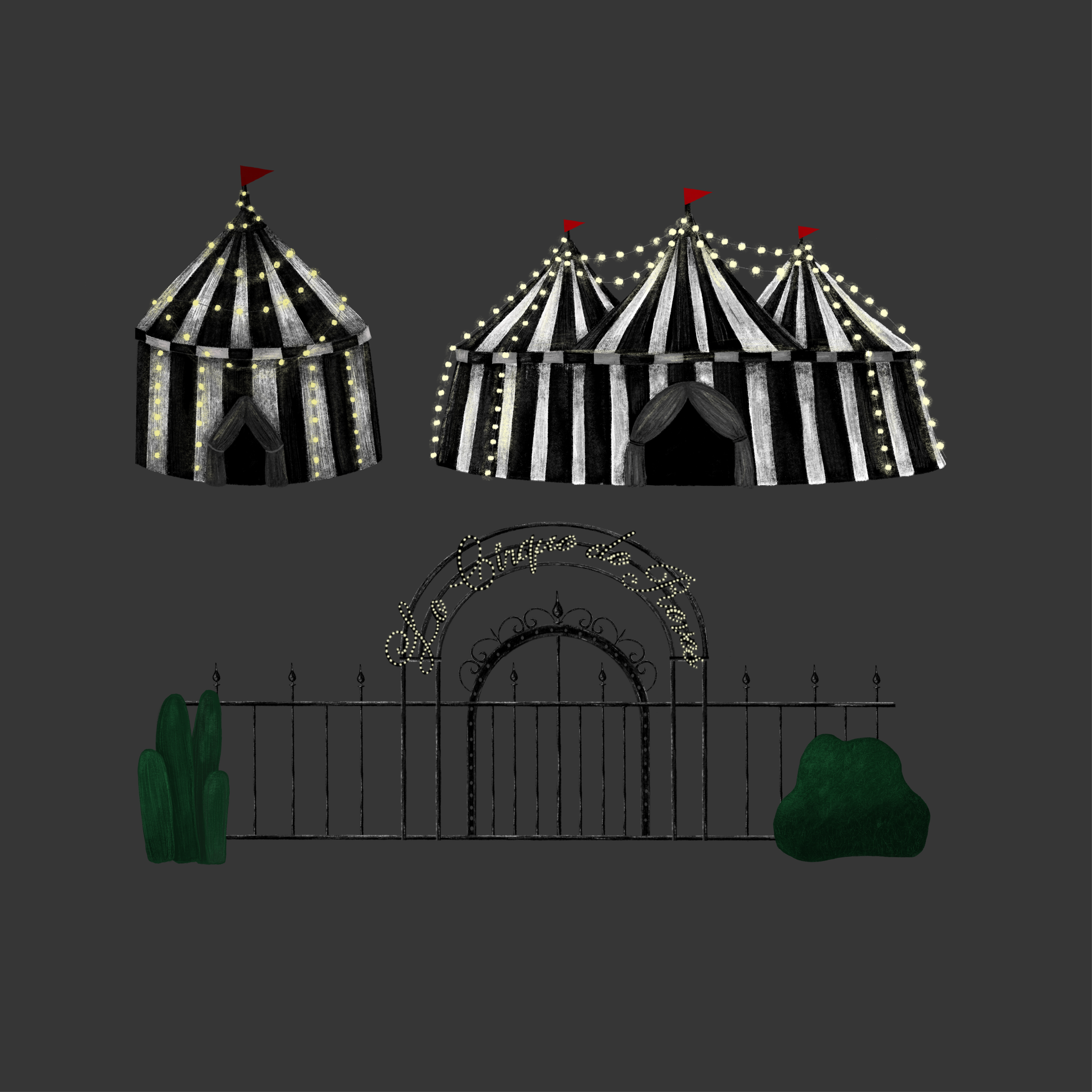
Illustration iteration 1

Illustration iteration 2
The Scene
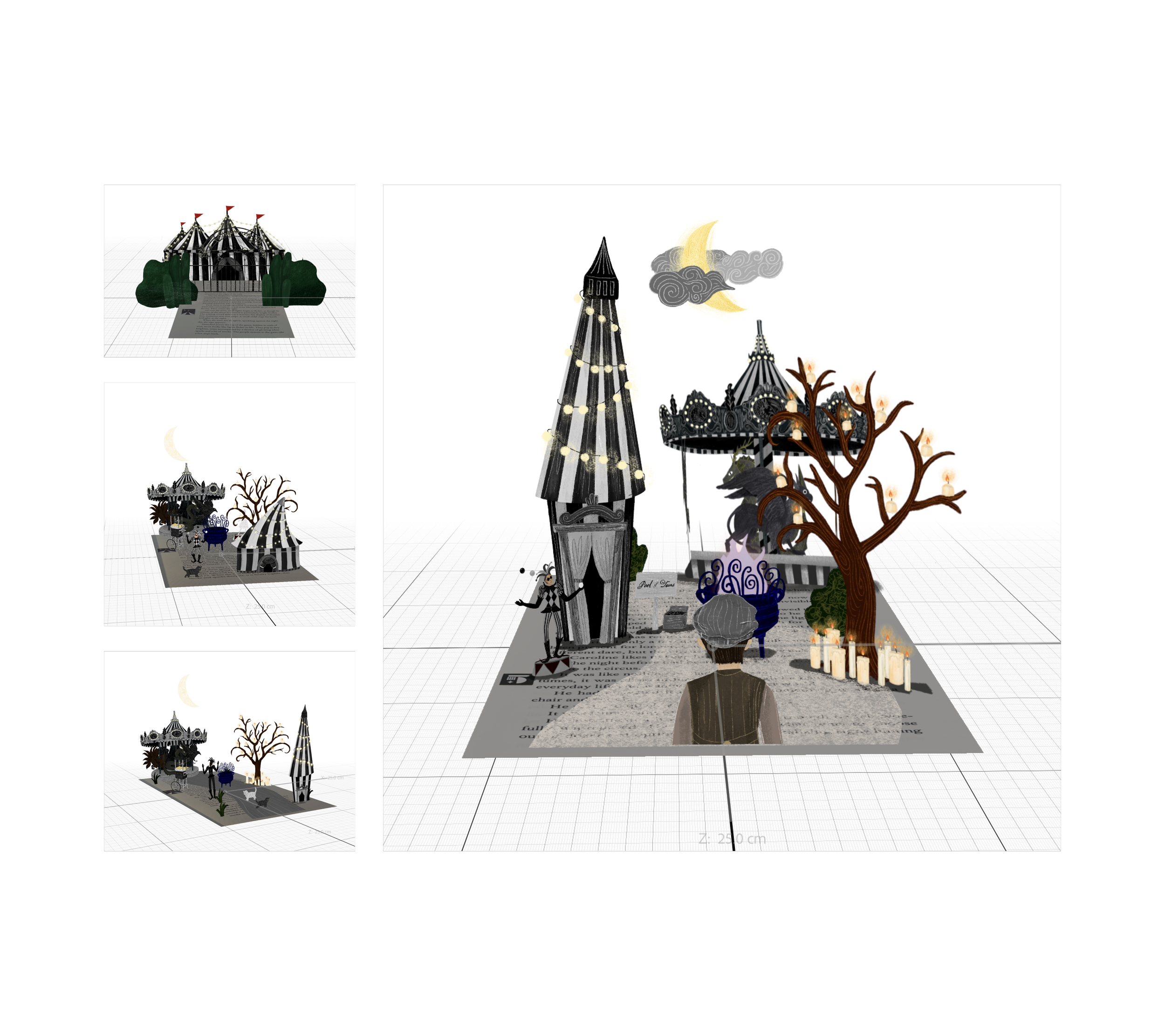
Throughout the process of exploring illustration style, I experimented with different placement and layout of the visual elements. I learned to make better use of the space that the page provides and to think about composition in a way that would harmoniously pull the various illustrations together.
Interactions
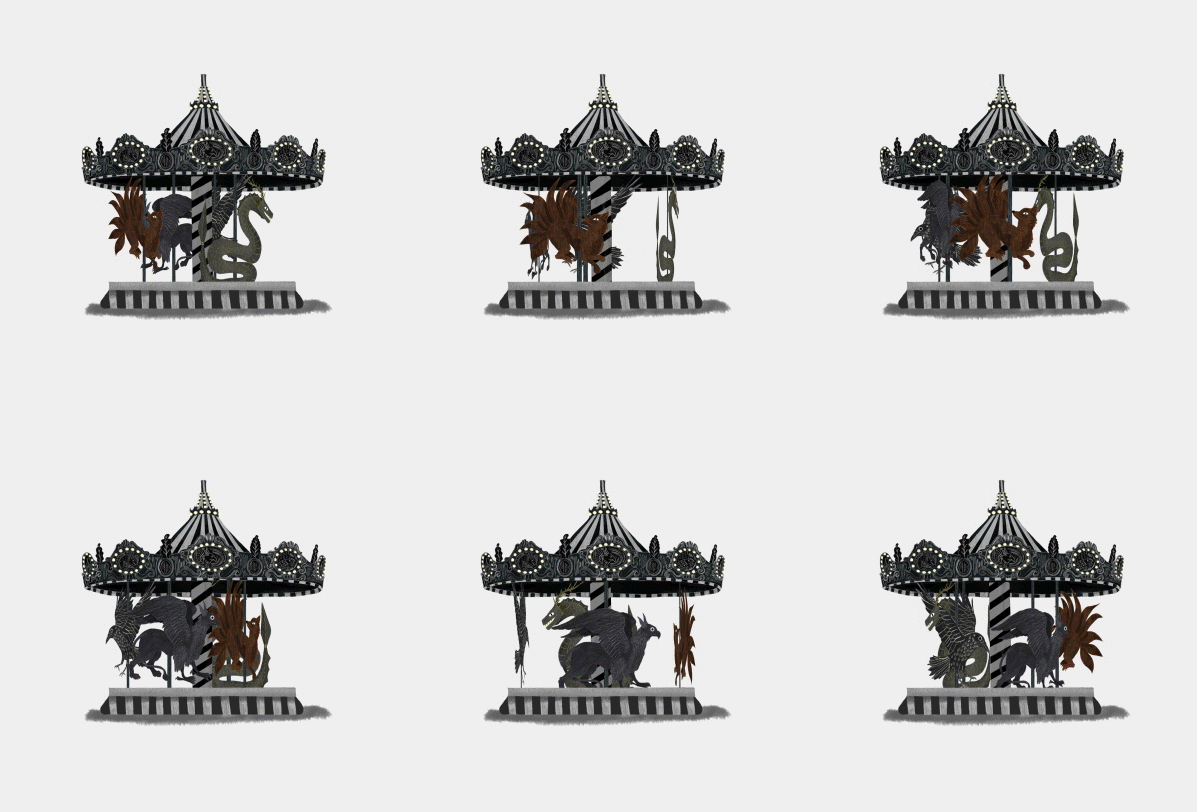
Once the AR scene loads, Astrid taps on the start button to begin the animation and narration. She can restart to view the animated AR scene again.


Getting Started
After downloading the ReadAr app, Astrid scans her new book to add to her AR book collection.
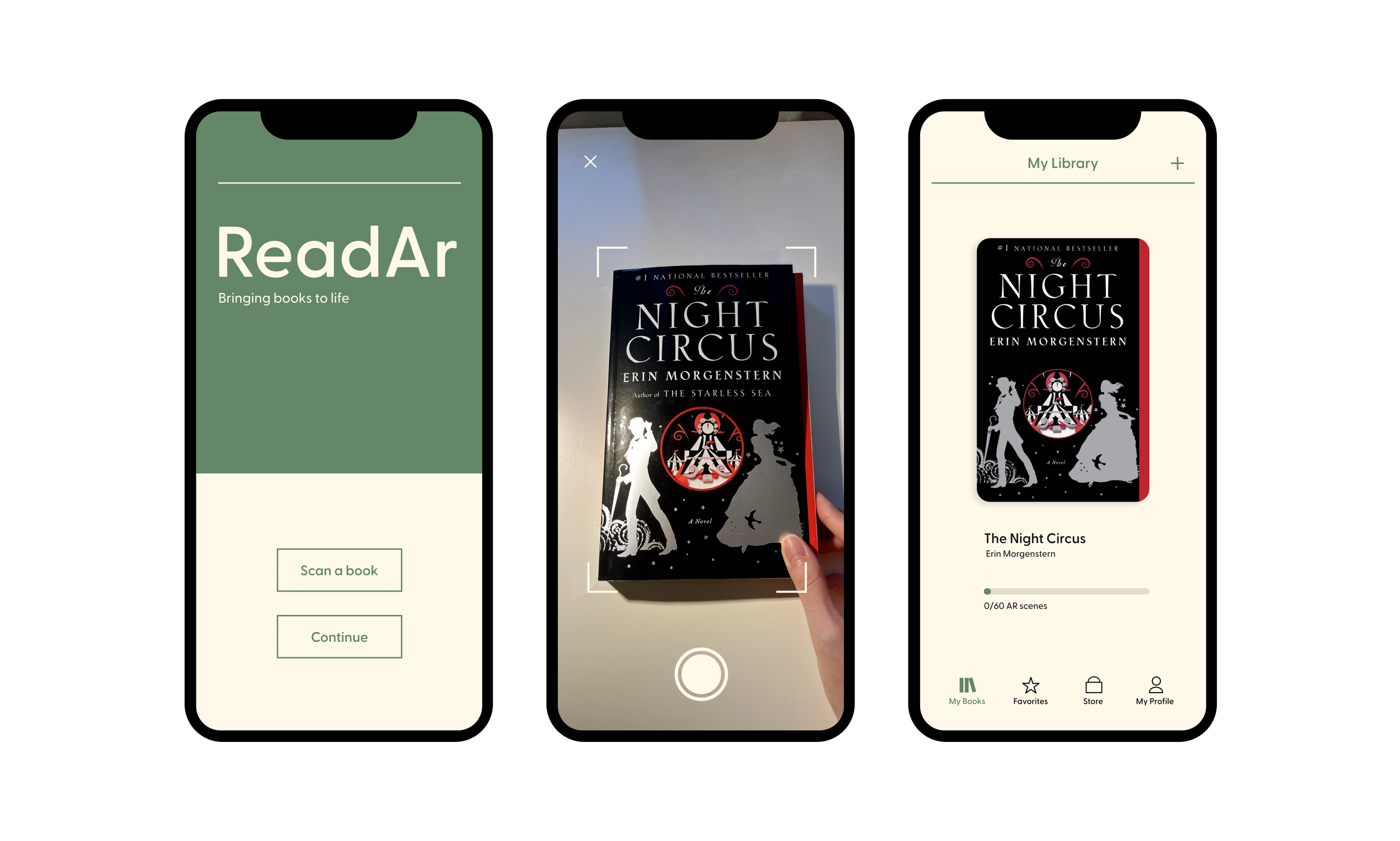
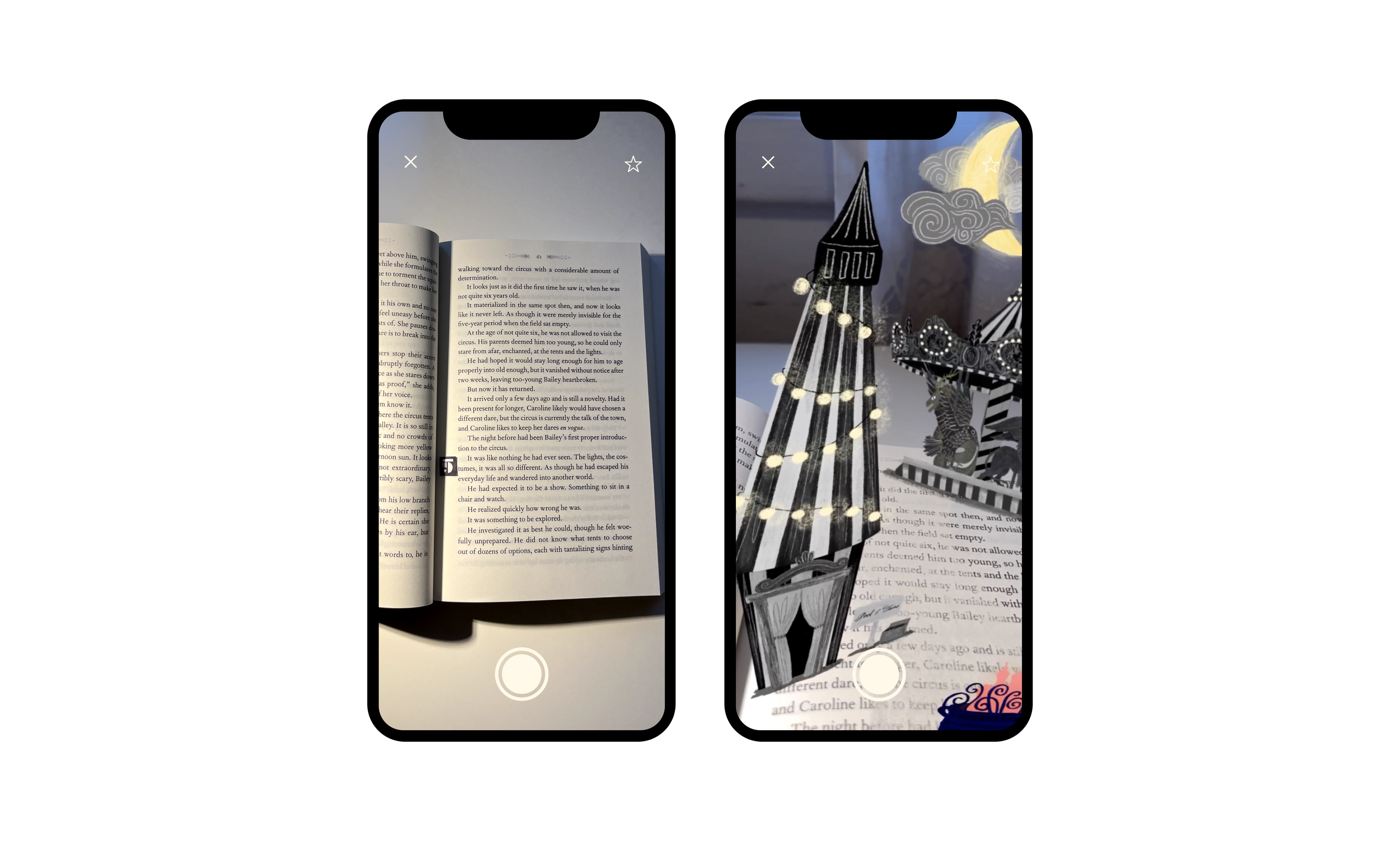
Visualizing the Scene
Once Astrid finds an image marker in her book, she selects the book on the app and scans the marker for an AR reading experience.
ReadAr in Action
I tested the experience on the actual book.
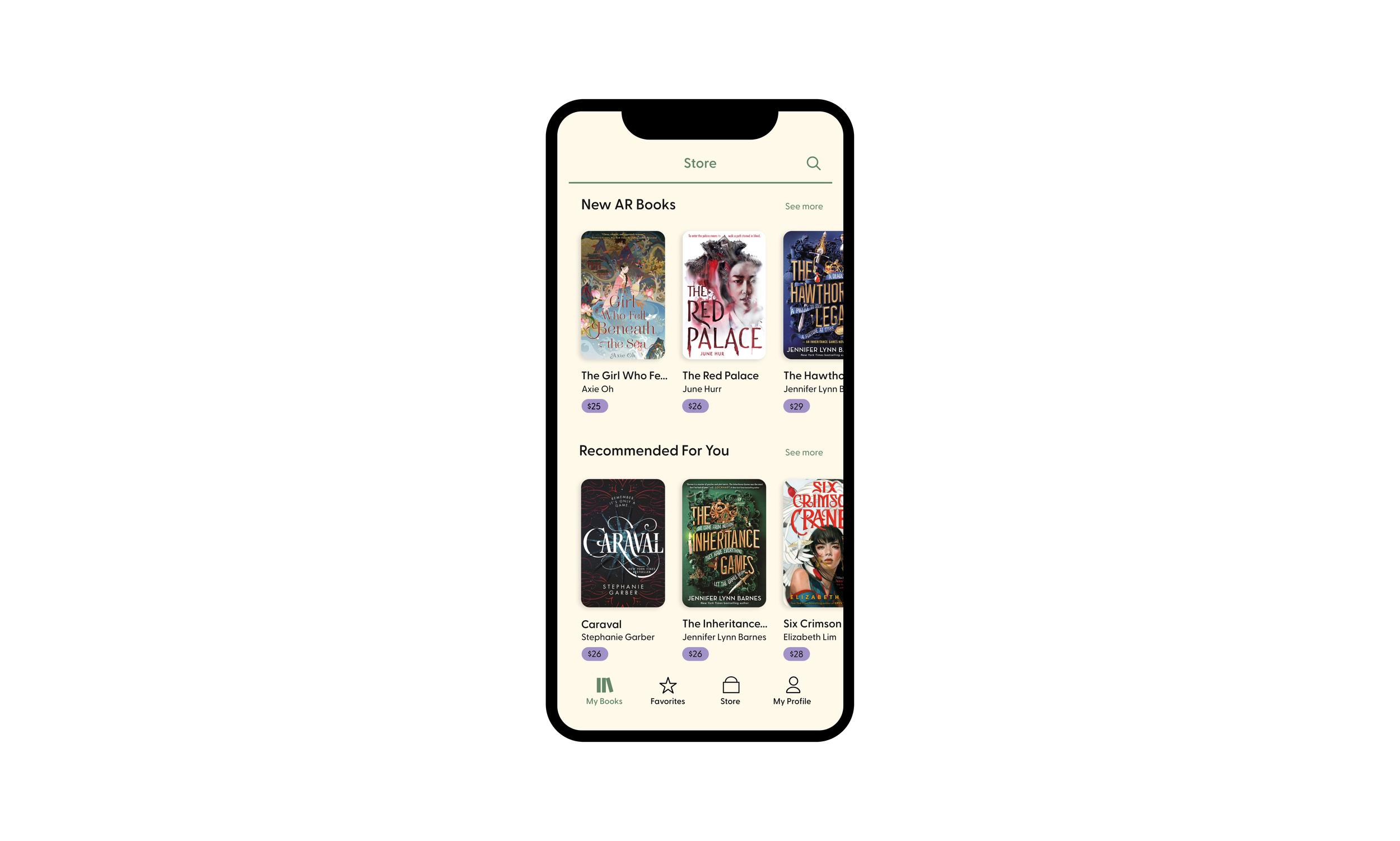
Reading More
When she finishes her book, Astrid can purchase more AR books to continue the visual reading experience.
Reflection
Working on this project was a fun experience as I got to experiment with AR and explore illustration, which I’ve always wanted to try. Because AR was new territory for me, I faced many challenges and limitations on how to bring this idea to full fruition and went through many trial and error processes. In the near future, when I have more time on my hands, I hope to think deeper about the user experience and interactions.